Understanding AI Image Generation Technology
The rapid evolution of technology has transformed various aspects of our daily lives, and one of the most intriguing advancements is in the realm of artificial intelligence (AI). Among these advancements, ai image generator from image tools have emerged as groundbreaking applications that enable users to create stunning visuals with unprecedented ease. In this article, we will explore the nuances of AI image generation, its underlying mechanisms, its diverse applications, and its potential future trends.
What is an AI Image Generator?
An AI image generator is a software application that utilizes artificial intelligence algorithms to produce images based on various inputs, including text descriptions, existing images, or a combination of both. These tools can analyze patterns, colors, and shapes from vast datasets and then generate new images that align with the learned characteristics. This technology can produce anything from abstract art to realistic portrayals, catering to a wide range of creative needs.
How Does an AI Image Generator Work?
At the core of AI image generators is the concept of machine learning, specifically deep learning. The process typically involves the following steps:
- Data Collection: Large datasets of images are gathered and labeled to teach the AI about various visual elements.
- Training: The AI model is trained using these datasets, learning to identify patterns and features within the images.
- Generation: Once trained, the AI can take new input—such as a textual description or an existing image—and generate new visuals by applying the learned patterns.
- Refinement: Advanced image generators may utilize techniques like feedback loops, where the output is continuously improved based on user input or additional training.
Benefits of Using AI Image Generators
AI image generators offer numerous advantages across various sectors. Some key benefits include:
- Speed: Rapid generation of images reduces the time spent on creative processes.
- Cost-effectiveness: Businesses can save on hiring graphic designers for simple tasks.
- Creative Freedom: Users can experiment with countless variations, pushing the boundaries of traditional artistry.
- Personalization: Tailored images can be generated based on specific preferences, enhancing user engagement.
Applications of AI Image Generation Across Industries
As technology evolves, the applications of AI image generators expand dramatically. Various industries are leveraging these tools to enhance their offerings and streamline operations.
Using AI Image Generators in Marketing
In the marketing world, visuals play a pivotal role in capturing audience attention. AI-generated images allow marketers to create personalized content quickly, enabling tailored advertisements that resonate deeply with specific demographics. Moreover, AI can analyze market trends and consumer behavior, aiding in the generation of visuals that align with current preferences.
AI Image Generation for Creative Arts
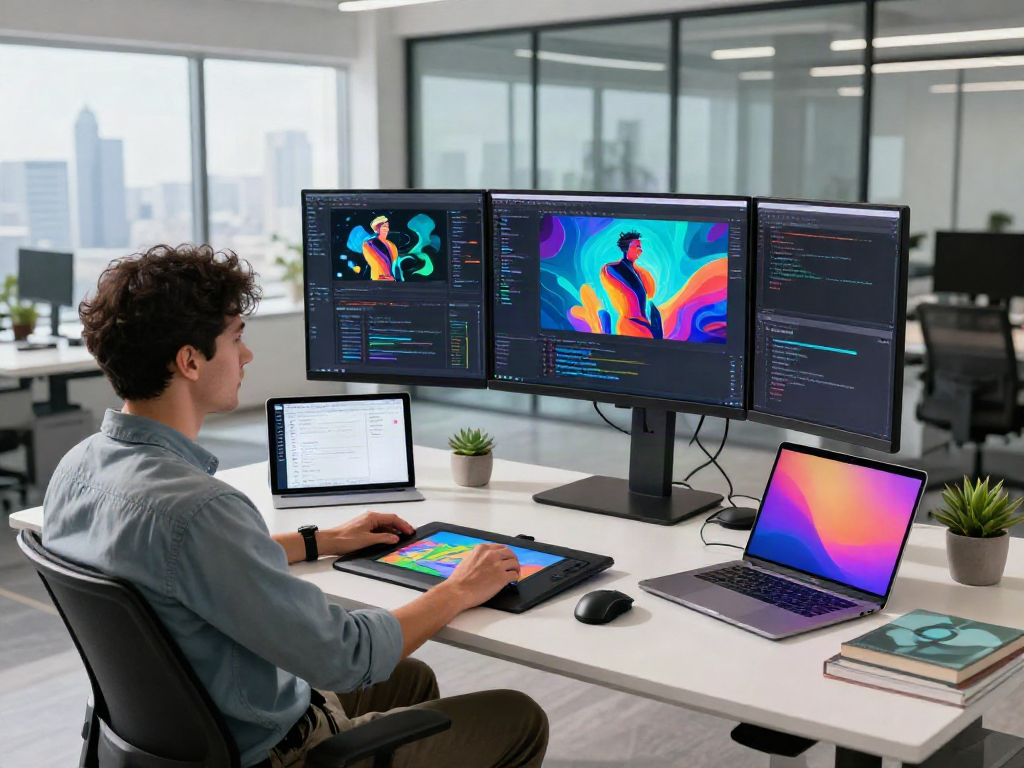
Artists and creators have started to embrace AI image generators as collaborative partners. These tools can provide inspiration, aiding artists in brainstorming ideas or creating initial drafts that can be further refined. This fusion of human creativity and machine intelligence is redefining the landscape of artistic expression.
Enhancing E-commerce with AI Image Technology
In the realm of e-commerce, high-quality images are crucial for attracting customers. AI image generator tools can create product images that are visually appealing and consistent across platforms. Additionally, they allow for instant variations of product images, helping retailers showcase their offerings in multiple styles and settings without extensive photography sessions.
Best Practices for Effective AI Image Generation
To maximize the benefits of AI image generation, it is essential to adopt best practices that ensure effective and efficient use of these powerful tools.
Choosing the Right AI Tools for Your Needs
Not all AI image generators are created equal. When selecting a tool, consider factors such as user-friendliness, the quality of generated images, and specific features that align with your creative requirements. Researching user reviews and trialing different platforms can lead to better decision-making.
Tips for Generating High-Quality Images
To achieve optimal results, users should keep several tips in mind:
- Provide Clear Inputs: The clearer and more detailed the input, the more accurate the output will be.
- Experiment with Settings: Most tools allow customization—experimenting with settings can yield diverse results.
- Iterate and Refine: Use the initial outputs as a foundation for further refinement, rather than settling for the first attempt.
Integrating AI Image Generation into Your Workflow
Incorporating AI image generation into an existing workflow requires careful planning. Teams should establish clear protocols and ensure that all members are trained on how to utilize the technology effectively. This will not only enhance productivity but also encourage innovative approaches to projects.
Overcoming Common Challenges in AI Image Generation
While AI image generation offers many benefits, it also presents challenges that must be addressed for successful implementation.
Addressing Quality vs. Speed in Image Production
One major challenge is the balance between quality and production speed. While AI can generate images quickly, the outputs may not always meet quality expectations. Striking a balance is crucial, and this may involve iterative processes or using AI outputs as rough drafts for further refinement.
Managing User Expectations with AI Outputs
Users often have high expectations regarding the capabilities of AI image generators. Educating teams and stakeholders about the potential and limitations of these tools is essential to manage expectations effectively and avoid dissatisfaction.
Legal and Ethical Considerations in AI Imagery
The rise of AI-generated imagery also brings forth significant legal and ethical questions. Issues surrounding copyright, ownership of creations, and the potential for misuse must be addressed. Companies should establish clear policies and guidelines to navigate these complexities responsibly.
Future Trends in AI Image Generation for 2026 and Beyond
As we look towards the future, several trends in AI image generation are expected to shape the landscape significantly.
Predictions for Evolving AI Image Technologies
By 2026, we can anticipate even more sophisticated AI algorithms that will produce images indistinguishable from human-created visuals. These advancements will likely include enhanced personalization capabilities, allowing the AI to understand user preferences on a deeper level.
New Frontiers in AI-Generated Content
With the ongoing integration of AI into various sectors, new applications for AI-generated content will emerge. For instance, the entertainment industry may leverage AI image generators for creating graphics for video games and movies, further blending reality and virtual environments.
Preparing Your Business for AI Integration
To stay competitive, businesses must prepare for the integration of AI technologies. This includes training staff, investing in the right tools, and establishing protocols for utilizing AI-generated imagery effectively. Being proactive will enable firms to harness the full potential of AI in their creative processes.